Buy duemmer.eu ?
We are moving the project
duemmer.eu .
Are you interested in purchasing the domain
duemmer.eu ?
domain@kv-gmbh.de · 0541-91531010
Buy duemmer.eu ?
Is a sip of water before anesthesia dangerous?
No, taking a sip of water before anesthesia is generally not dangerous. However, it is important to follow the fasting guidelines provided by your healthcare provider to reduce the risk of complications during the procedure. In some cases, consuming even a small amount of water before anesthesia can increase the risk of aspiration, where stomach contents enter the lungs. It is best to follow the specific instructions given to you by your healthcare team to ensure a safe and successful procedure. **
What are tidal channels?
Tidal channels are narrow, winding waterways that form within coastal marshes, estuaries, and tidal flats. They are created and shaped by the ebb and flow of tides, as well as by the movement of water and sediment. Tidal channels play a crucial role in the exchange of water, nutrients, and organisms between the open ocean and coastal ecosystems. They also provide important habitat for a variety of marine and estuarine species. **
Similar search terms for Zodax-Tidal-Sip-Glass
Top-Angebote
Products related to Zodax-Tidal-Sip-Glass:
-
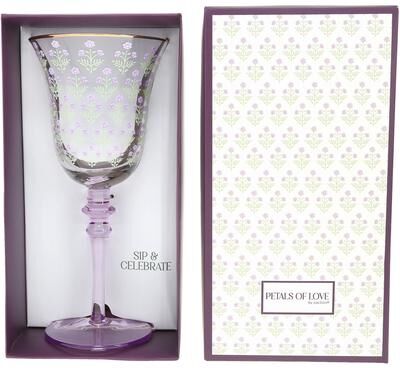
Zodax St. Anton Pewter & Glass Wine / Water GlassThe St. Anton Pewter & Glass Wine / Water Glass brings an elegant alpine charm to any table or bar setting. Featuring a finely detailed pewter stag head motif on a sleek glass form, this piece blends rustic inspiration with timeless sophistication.47,50 $*Shipping: 0,00 $Secure redirect to the provider


-
Is the last sip in a water bottle saliva?
No, the last sip in a water bottle is not saliva. Saliva is produced by the salivary glands in the mouth, while the last sip in a water bottle is the remaining liquid that has been consumed. Saliva is a watery substance that helps with digestion, while the last sip in a water bottle is simply the last bit of water left in the container. **
-
How much is a sip?
The amount considered to be a sip can vary depending on the context. In general, a sip is a small amount of liquid that can be comfortably consumed in one mouthful. It is typically less than a mouthful and is often used to taste or sample a drink rather than to quench thirst. The size of a sip can also be influenced by cultural norms and personal preferences. **
-
What is the tidal range?
The tidal range is the difference in height between high tide and low tide in a specific location. It is influenced by various factors such as the gravitational pull of the moon and the sun, the shape of the coastline, and the depth of the ocean. Tidal range can vary significantly from one location to another, with some areas experiencing large tidal ranges of several meters, while others have minimal tidal fluctuations. Understanding the tidal range is important for activities such as navigation, coastal engineering, and marine ecology. **
-
What is the meaning of SIP?
SIP stands for Session Initiation Protocol. It is a signaling protocol used for initiating, maintaining, modifying, and terminating real-time sessions that involve video, voice, messaging, and other communications applications and services over the internet. SIP is widely used in Voice over Internet Protocol (VoIP) technology to establish and manage communication sessions between users. It enables features like call forwarding, conference calling, video calls, and instant messaging. **

Is glass made from sand?
Yes, glass is made from sand. The main component of glass is silica, which is derived from sand. The sand is melted at high temperatures along with other ingredients such as soda ash and limestone to create glass. This molten mixture is then shaped and cooled to form the final glass product. **
Is it dangerous to have a sip of water before anesthesia?
Having a sip of water before anesthesia can be dangerous because it increases the risk of aspiration, where stomach contents enter the lungs. This can lead to serious complications such as pneumonia. It is important to follow the fasting guidelines provided by your healthcare provider to ensure a safe anesthesia experience. **
Top-Angebote
Products related to Zodax-Tidal-Sip-Glass:
-
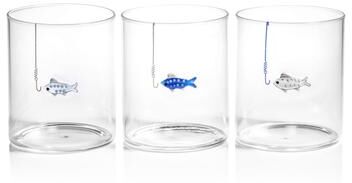
Zodax Tidal Sip Glass Tumblers, 3-Piece Assorted SetAdd a touch of whimsical charm to your glassware collection with the Tidal Sip Glass Tumblers. This three-piece assorted set features clear-finish glass adorned with solid color fish decals, creating a playful yet elegant design.63,75 $*Shipping: 0,00 $Secure redirect to the provider
-
Zodax St. Anton Pewter & Glass Wine / Water GlassThe St. Anton Pewter & Glass Wine / Water Glass brings an elegant alpine charm to any table or bar setting. Featuring a finely detailed pewter stag head motif on a sleek glass form, this piece blends rustic inspiration with timeless sophistication.47,50 $*Shipping: 0,00 $Secure redirect to the provider
-
Is a sip of water before anesthesia dangerous?
No, taking a sip of water before anesthesia is generally not dangerous. However, it is important to follow the fasting guidelines provided by your healthcare provider to reduce the risk of complications during the procedure. In some cases, consuming even a small amount of water before anesthesia can increase the risk of aspiration, where stomach contents enter the lungs. It is best to follow the specific instructions given to you by your healthcare team to ensure a safe and successful procedure. **
-
What are tidal channels?
Tidal channels are narrow, winding waterways that form within coastal marshes, estuaries, and tidal flats. They are created and shaped by the ebb and flow of tides, as well as by the movement of water and sediment. Tidal channels play a crucial role in the exchange of water, nutrients, and organisms between the open ocean and coastal ecosystems. They also provide important habitat for a variety of marine and estuarine species. **
-
Is the last sip in a water bottle saliva?
No, the last sip in a water bottle is not saliva. Saliva is produced by the salivary glands in the mouth, while the last sip in a water bottle is the remaining liquid that has been consumed. Saliva is a watery substance that helps with digestion, while the last sip in a water bottle is simply the last bit of water left in the container. **
-
How much is a sip?
The amount considered to be a sip can vary depending on the context. In general, a sip is a small amount of liquid that can be comfortably consumed in one mouthful. It is typically less than a mouthful and is often used to taste or sample a drink rather than to quench thirst. The size of a sip can also be influenced by cultural norms and personal preferences. **
Similar search terms for Zodax-Tidal-Sip-Glass
-
What is the tidal range?
The tidal range is the difference in height between high tide and low tide in a specific location. It is influenced by various factors such as the gravitational pull of the moon and the sun, the shape of the coastline, and the depth of the ocean. Tidal range can vary significantly from one location to another, with some areas experiencing large tidal ranges of several meters, while others have minimal tidal fluctuations. Understanding the tidal range is important for activities such as navigation, coastal engineering, and marine ecology. **
-
What is the meaning of SIP?
SIP stands for Session Initiation Protocol. It is a signaling protocol used for initiating, maintaining, modifying, and terminating real-time sessions that involve video, voice, messaging, and other communications applications and services over the internet. SIP is widely used in Voice over Internet Protocol (VoIP) technology to establish and manage communication sessions between users. It enables features like call forwarding, conference calling, video calls, and instant messaging. **
-
Is glass made from sand?
Yes, glass is made from sand. The main component of glass is silica, which is derived from sand. The sand is melted at high temperatures along with other ingredients such as soda ash and limestone to create glass. This molten mixture is then shaped and cooled to form the final glass product. **
-
Is it dangerous to have a sip of water before anesthesia?
Having a sip of water before anesthesia can be dangerous because it increases the risk of aspiration, where stomach contents enter the lungs. This can lead to serious complications such as pneumonia. It is important to follow the fasting guidelines provided by your healthcare provider to ensure a safe anesthesia experience. **
* All prices are inclusive of VAT and, if applicable, plus shipping costs. The offer information is based on the details provided by the respective shop and is updated through automated processes. Real-time updates do not occur, so deviations can occur in individual cases. ** Note: Parts of this content were created by AI.