Buy duemmer.eu ?
We are moving the project
duemmer.eu .
Are you interested in purchasing the domain
duemmer.eu ?
domain@kv-gmbh.de · 0541-91531010
Buy duemmer.eu ?
Is it dangerous to drink water before anesthesia?
It is generally safe to drink clear liquids like water up to two hours before receiving anesthesia. However, it is important to follow your healthcare provider's specific instructions regarding fasting before the procedure to reduce the risk of complications. Drinking water before anesthesia can help prevent dehydration and promote a smoother recovery process. **
Is a sip of water before anesthesia dangerous?
No, taking a sip of water before anesthesia is generally not dangerous. However, it is important to follow the fasting guidelines provided by your healthcare provider to reduce the risk of complications during the procedure. In some cases, consuming even a small amount of water before anesthesia can increase the risk of aspiration, where stomach contents enter the lungs. It is best to follow the specific instructions given to you by your healthcare team to ensure a safe and successful procedure. **


Similar search terms for Anesthesia
Top-Angebote
Products related to Anesthesia:
-
Market Central Foldable Lightweight Beach Pillow Comfortable Outdoor Headrest For Beach Loungers And Relaxation redTurn every outdoor moment into a more comfortable escape with this foldable lightweight beach pillow designed for effortless relaxation. Perfect for beach lovers, campers, and travelers, this portable headrest provides soft support while lounging...39,97 $*Shipping: 0,00 $Secure redirect to the provider
-
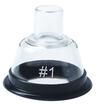
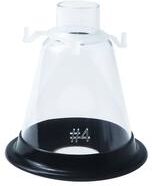
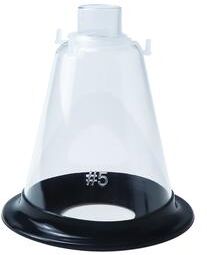
Fusion Finds Veterinary Anesthesia Mask Medical Grade Pet Anesthesia Mask With Transparent Dome & Silicone Seal 1Experience greater confidence during every veterinary procedure with this professional veterinary anesthesia mask designed for safe, reliable anesthesia delivery. Built for veterinarians, animal hospitals, and clinics, it features a crystalclear...44,97 $*Shipping: 0,00 $Secure redirect to the provider
-
Fusion Finds Veterinary Anesthesia Mask Medical Grade Pet Anesthesia Mask With Transparent Dome & Silicone Seal 3Experience greater confidence during every veterinary procedure with this professional veterinary anesthesia mask designed for safe, reliable anesthesia delivery. Built for veterinarians, animal hospitals, and clinics, it features a crystalclear...44,97 $*Shipping: 0,00 $Secure redirect to the provider
-
Fusion Finds Veterinary Anesthesia Mask Medical Grade Pet Anesthesia Mask With Transparent Dome & Silicone Seal 6Experience greater confidence during every veterinary procedure with this professional veterinary anesthesia mask designed for safe, reliable anesthesia delivery. Built for veterinarians, animal hospitals, and clinics, it features a crystalclear...44,97 $*Shipping: 0,00 $Secure redirect to the provider



-
What is the difference between local anesthesia and general anesthesia?
Local anesthesia is a type of anesthesia that numbs a specific part of the body, such as a limb or a small area, without affecting the patient's consciousness. General anesthesia, on the other hand, induces a state of unconsciousness and loss of sensation throughout the entire body. Local anesthesia is typically used for minor procedures, while general anesthesia is used for more complex surgeries or procedures that require the patient to be completely unconscious. **
-
Should wisdom teeth be removed under general anesthesia or local anesthesia?
The decision to remove wisdom teeth under general anesthesia or local anesthesia depends on the complexity of the procedure and the patient's individual needs. General anesthesia may be recommended for more complex cases, such as impacted or deeply rooted wisdom teeth, as it allows the patient to be unconscious and unaware of the procedure. However, local anesthesia can be sufficient for straightforward cases, and it allows the patient to remain awake and aware during the procedure. Ultimately, the best approach should be determined by the dentist or oral surgeon in consultation with the patient, taking into account the specific circumstances and the patient's comfort and safety. **
-
Is general anesthesia dangerous?
General anesthesia is generally safe when administered by trained professionals in a controlled medical setting. However, like any medical procedure, there are risks associated with general anesthesia, such as allergic reactions, breathing problems, and adverse reactions to the medications used. The overall risk of complications is low, but it is important for patients to discuss any concerns with their healthcare provider before undergoing anesthesia. **
-
Is general anesthesia risky?
General anesthesia carries some risks, as with any medical procedure. These risks can include allergic reactions, breathing problems, and potential complications with other medical conditions. However, the overall risk of serious complications is relatively low, and anesthesiologists are highly trained to monitor and manage patients during anesthesia to minimize these risks. It's important for patients to discuss any concerns with their healthcare provider and follow pre-operative instructions to help reduce the potential risks associated with general anesthesia. **
Is local anesthesia painful?
Local anesthesia can cause some discomfort during the injection process, as it involves a small needle being inserted into the skin. However, the discomfort is usually minimal and short-lived. Once the anesthesia takes effect, the area should be numb and the procedure should be painless. Overall, the temporary discomfort of the injection is typically well worth the pain relief provided by the local anesthesia. **
Does anesthesia not work?
Anesthesia generally works very effectively in numbing pain and inducing unconsciousness during medical procedures. However, there are rare cases where anesthesia may not work as expected due to factors such as individual differences in response to anesthesia, drug interactions, or underlying medical conditions. In these cases, anesthesiologists may need to adjust the dosage or type of anesthesia to ensure the patient's comfort and safety during the procedure. Overall, while anesthesia is highly effective, it is important for medical professionals to carefully monitor and adjust its administration to meet the specific needs of each patient. **
Top-Angebote
Products related to Anesthesia:
-
Fusion Finds Veterinary Anesthesia Mask Medical Grade Pet Anesthesia Mask With Transparent Dome & Silicone Seal 2Experience greater confidence during every veterinary procedure with this professional veterinary anesthesia mask designed for safe, reliable anesthesia delivery. Built for veterinarians, animal hospitals, and clinics, it features a crystalclear...44,97 $*Shipping: 0,00 $Secure redirect to the provider
-
Market Central Foldable Lightweight Beach Pillow Comfortable Outdoor Headrest For Beach Loungers And Relaxation redTurn every outdoor moment into a more comfortable escape with this foldable lightweight beach pillow designed for effortless relaxation. Perfect for beach lovers, campers, and travelers, this portable headrest provides soft support while lounging...39,97 $*Shipping: 0,00 $Secure redirect to the provider
-
Fusion Finds Veterinary Anesthesia Mask Medical Grade Pet Anesthesia Mask With Transparent Dome & Silicone Seal 1Experience greater confidence during every veterinary procedure with this professional veterinary anesthesia mask designed for safe, reliable anesthesia delivery. Built for veterinarians, animal hospitals, and clinics, it features a crystalclear...44,97 $*Shipping: 0,00 $Secure redirect to the provider
-
Is it dangerous to drink water before anesthesia?
It is generally safe to drink clear liquids like water up to two hours before receiving anesthesia. However, it is important to follow your healthcare provider's specific instructions regarding fasting before the procedure to reduce the risk of complications. Drinking water before anesthesia can help prevent dehydration and promote a smoother recovery process. **
-
Is a sip of water before anesthesia dangerous?
No, taking a sip of water before anesthesia is generally not dangerous. However, it is important to follow the fasting guidelines provided by your healthcare provider to reduce the risk of complications during the procedure. In some cases, consuming even a small amount of water before anesthesia can increase the risk of aspiration, where stomach contents enter the lungs. It is best to follow the specific instructions given to you by your healthcare team to ensure a safe and successful procedure. **
-
What is the difference between local anesthesia and general anesthesia?
Local anesthesia is a type of anesthesia that numbs a specific part of the body, such as a limb or a small area, without affecting the patient's consciousness. General anesthesia, on the other hand, induces a state of unconsciousness and loss of sensation throughout the entire body. Local anesthesia is typically used for minor procedures, while general anesthesia is used for more complex surgeries or procedures that require the patient to be completely unconscious. **
-
Should wisdom teeth be removed under general anesthesia or local anesthesia?
The decision to remove wisdom teeth under general anesthesia or local anesthesia depends on the complexity of the procedure and the patient's individual needs. General anesthesia may be recommended for more complex cases, such as impacted or deeply rooted wisdom teeth, as it allows the patient to be unconscious and unaware of the procedure. However, local anesthesia can be sufficient for straightforward cases, and it allows the patient to remain awake and aware during the procedure. Ultimately, the best approach should be determined by the dentist or oral surgeon in consultation with the patient, taking into account the specific circumstances and the patient's comfort and safety. **
Similar search terms for Anesthesia
-
Fusion Finds Veterinary Anesthesia Mask Medical Grade Pet Anesthesia Mask With Transparent Dome & Silicone Seal 3Experience greater confidence during every veterinary procedure with this professional veterinary anesthesia mask designed for safe, reliable anesthesia delivery. Built for veterinarians, animal hospitals, and clinics, it features a crystalclear...44,97 $*Shipping: 0,00 $Secure redirect to the provider
-
Fusion Finds Veterinary Anesthesia Mask Medical Grade Pet Anesthesia Mask With Transparent Dome & Silicone Seal 6Experience greater confidence during every veterinary procedure with this professional veterinary anesthesia mask designed for safe, reliable anesthesia delivery. Built for veterinarians, animal hospitals, and clinics, it features a crystalclear...44,97 $*Shipping: 0,00 $Secure redirect to the provider
-
Fusion Finds Veterinary Anesthesia Mask Medical Grade Pet Anesthesia Mask With Transparent Dome & Silicone Seal 4Experience greater confidence during every veterinary procedure with this professional veterinary anesthesia mask designed for safe, reliable anesthesia delivery. Built for veterinarians, animal hospitals, and clinics, it features a crystalclear...44,97 $*Shipping: 0,00 $Secure redirect to the provider
-
Fusion Finds Veterinary Anesthesia Mask Medical Grade Pet Anesthesia Mask With Transparent Dome & Silicone Seal 5Experience greater confidence during every veterinary procedure with this professional veterinary anesthesia mask designed for safe, reliable anesthesia delivery. Built for veterinarians, animal hospitals, and clinics, it features a crystalclear...44,97 $*Shipping: 0,00 $Secure redirect to the provider
-
Is general anesthesia dangerous?
General anesthesia is generally safe when administered by trained professionals in a controlled medical setting. However, like any medical procedure, there are risks associated with general anesthesia, such as allergic reactions, breathing problems, and adverse reactions to the medications used. The overall risk of complications is low, but it is important for patients to discuss any concerns with their healthcare provider before undergoing anesthesia. **
-
Is general anesthesia risky?
General anesthesia carries some risks, as with any medical procedure. These risks can include allergic reactions, breathing problems, and potential complications with other medical conditions. However, the overall risk of serious complications is relatively low, and anesthesiologists are highly trained to monitor and manage patients during anesthesia to minimize these risks. It's important for patients to discuss any concerns with their healthcare provider and follow pre-operative instructions to help reduce the potential risks associated with general anesthesia. **
-
Is local anesthesia painful?
Local anesthesia can cause some discomfort during the injection process, as it involves a small needle being inserted into the skin. However, the discomfort is usually minimal and short-lived. Once the anesthesia takes effect, the area should be numb and the procedure should be painless. Overall, the temporary discomfort of the injection is typically well worth the pain relief provided by the local anesthesia. **
-
Does anesthesia not work?
Anesthesia generally works very effectively in numbing pain and inducing unconsciousness during medical procedures. However, there are rare cases where anesthesia may not work as expected due to factors such as individual differences in response to anesthesia, drug interactions, or underlying medical conditions. In these cases, anesthesiologists may need to adjust the dosage or type of anesthesia to ensure the patient's comfort and safety during the procedure. Overall, while anesthesia is highly effective, it is important for medical professionals to carefully monitor and adjust its administration to meet the specific needs of each patient. **
* All prices are inclusive of VAT and, if applicable, plus shipping costs. The offer information is based on the details provided by the respective shop and is updated through automated processes. Real-time updates do not occur, so deviations can occur in individual cases. ** Note: Parts of this content were created by AI.