Buy duemmer.eu ?
We are moving the project
duemmer.eu .
Are you interested in purchasing the domain
duemmer.eu ?
domain@kv-gmbh.de · 0541-91531010
Buy duemmer.eu ?
Is beige or sand lighter?
Beige is generally considered to be lighter than sand. Beige is a light, pale yellow-brown color with warm undertones, while sand is a light, pale shade of brown with neutral undertones. The difference in undertones can make beige appear lighter than sand, which has a slightly darker and more earthy tone. **
Is it very bad to mix cement without sand?
Mixing cement without sand is not recommended as sand helps to provide the necessary strength and workability to the concrete mixture. Without sand, the cement mixture may not bond well with other materials, resulting in a weaker final product. Additionally, the lack of sand can cause the cement to crack and shrink as it cures, leading to structural issues. It is best to follow the recommended ratios and ingredients when mixing cement to ensure a strong and durable end result. **


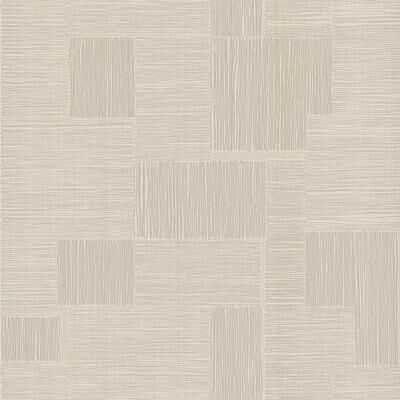
Similar search terms for York-Wallcoverings-Cement-Beige
Top-Angebote
Products related to York-Wallcoverings-Cement-Beige:
-
York Wallcoverings Orchard Beige WallpaperFruit trees and the misty air of morning makes pattern Orchard a garden of picturesque enchantment. This Orchard Wallpaper measures approximately 20.5 inches wide by 33 feet long, covering About 56.4 square feet per roll.153,00 $*Shipping: 0,00 $Secure redirect to the provider
-
York Wallcoverings Fanciful Beige WallpaperPattern Fanciful's bird and blossom trail pattern, touched by metallic, is a modern update to classic style. This Fanciful Peel & Stick Wallpaper measures approximately 27 inches wide by 27 feet long, covering About 60.8 square feet per roll.127,50 $*Shipping: 0,00 $Secure redirect to the provider




-
Will cement harden if I add water and forget to add sand and gravel?
No, cement will not harden properly if you only add water and forget to add sand and gravel. Sand and gravel are essential components of concrete, and without them, the mixture will not have the necessary strength and stability. The sand and gravel provide the necessary structure and support for the cement to harden into a strong and durable material. Therefore, it is important to follow the correct proportions and mix all the necessary components to achieve the desired results. **
-
How do you mix cement and sand to make concrete?
To make concrete, you typically mix cement, sand, and water in specific proportions. The most common ratio is 1 part cement, 2 parts sand, and 3 parts water. First, mix the dry ingredients (cement and sand) thoroughly. Then, gradually add water while continuously mixing until you achieve a homogeneous mixture with a workable consistency. Finally, the concrete is ready to be poured and shaped into the desired form before it sets and hardens. **
-
What is cement stone?
Cement stone is a material that is formed when cement powder is mixed with water and other aggregates, such as sand and gravel. This mixture undergoes a chemical reaction known as hydration, which causes it to harden and bind together to form a solid mass. Cement stone is commonly used in construction to create structures like buildings, bridges, and roads due to its strength and durability. **
-
Is that asbestos cement?
Without proper testing, it is impossible to determine if a material is asbestos cement. Asbestos cement was commonly used in construction until the 1980s, so it is important to have a sample tested by a certified laboratory to confirm the presence of asbestos. It is crucial to handle any suspected asbestos-containing material with caution and seek professional assistance for testing and removal if necessary. **

Which lime cement plaster?
Lime cement plaster is a type of plaster that is made by mixing lime with cement and sand. It is commonly used for interior and exterior walls, as well as for decorative finishes. Lime cement plaster is known for its durability, breathability, and flexibility, making it a popular choice for historical restoration projects and in areas with high humidity. It provides a smooth and even finish that can be painted or left as is for a natural look. **
Is this asbestos cement?
Without physical testing, it is not possible to definitively determine if a material is asbestos cement. Asbestos cement typically contains asbestos fibers mixed with cement, but visual inspection alone is not enough to confirm its presence. To accurately identify asbestos cement, a sample would need to be collected and analyzed by a certified laboratory using specialized techniques. It is important to exercise caution when dealing with suspected asbestos-containing materials and consult with professionals for proper testing and handling. **
Top-Angebote
Products related to York-Wallcoverings-Cement-Beige:
-
York Wallcoverings Flatiron Geometric Cement WallpaperThe chevron gets a modern, industrial upgrade when stylized with raised textural plaster relief and metallic in the pattern Flatiron Geometric, shown in cement gray with charcoa gray.This Flatiron Geometric Wallpaper measures approximately 20.5 inches…136,00 $*Shipping: 0,00 $Secure redirect to the provider
-
York Wallcoverings Orchard Beige WallpaperFruit trees and the misty air of morning makes pattern Orchard a garden of picturesque enchantment. This Orchard Wallpaper measures approximately 20.5 inches wide by 33 feet long, covering About 56.4 square feet per roll.153,00 $*Shipping: 0,00 $Secure redirect to the provider
-
York Wallcoverings Fanciful Beige WallpaperPattern Fanciful's bird and blossom trail pattern, touched by metallic, is a modern update to classic style. This Fanciful Peel & Stick Wallpaper measures approximately 27 inches wide by 27 feet long, covering About 60.8 square feet per roll.127,50 $*Shipping: 0,00 $Secure redirect to the provider
-
Is beige or sand lighter?
Beige is generally considered to be lighter than sand. Beige is a light, pale yellow-brown color with warm undertones, while sand is a light, pale shade of brown with neutral undertones. The difference in undertones can make beige appear lighter than sand, which has a slightly darker and more earthy tone. **
-
Is it very bad to mix cement without sand?
Mixing cement without sand is not recommended as sand helps to provide the necessary strength and workability to the concrete mixture. Without sand, the cement mixture may not bond well with other materials, resulting in a weaker final product. Additionally, the lack of sand can cause the cement to crack and shrink as it cures, leading to structural issues. It is best to follow the recommended ratios and ingredients when mixing cement to ensure a strong and durable end result. **
-
Will cement harden if I add water and forget to add sand and gravel?
No, cement will not harden properly if you only add water and forget to add sand and gravel. Sand and gravel are essential components of concrete, and without them, the mixture will not have the necessary strength and stability. The sand and gravel provide the necessary structure and support for the cement to harden into a strong and durable material. Therefore, it is important to follow the correct proportions and mix all the necessary components to achieve the desired results. **
-
How do you mix cement and sand to make concrete?
To make concrete, you typically mix cement, sand, and water in specific proportions. The most common ratio is 1 part cement, 2 parts sand, and 3 parts water. First, mix the dry ingredients (cement and sand) thoroughly. Then, gradually add water while continuously mixing until you achieve a homogeneous mixture with a workable consistency. Finally, the concrete is ready to be poured and shaped into the desired form before it sets and hardens. **
Similar search terms for York-Wallcoverings-Cement-Beige
-
What is cement stone?
Cement stone is a material that is formed when cement powder is mixed with water and other aggregates, such as sand and gravel. This mixture undergoes a chemical reaction known as hydration, which causes it to harden and bind together to form a solid mass. Cement stone is commonly used in construction to create structures like buildings, bridges, and roads due to its strength and durability. **
-
Is that asbestos cement?
Without proper testing, it is impossible to determine if a material is asbestos cement. Asbestos cement was commonly used in construction until the 1980s, so it is important to have a sample tested by a certified laboratory to confirm the presence of asbestos. It is crucial to handle any suspected asbestos-containing material with caution and seek professional assistance for testing and removal if necessary. **
-
Which lime cement plaster?
Lime cement plaster is a type of plaster that is made by mixing lime with cement and sand. It is commonly used for interior and exterior walls, as well as for decorative finishes. Lime cement plaster is known for its durability, breathability, and flexibility, making it a popular choice for historical restoration projects and in areas with high humidity. It provides a smooth and even finish that can be painted or left as is for a natural look. **
-
Is this asbestos cement?
Without physical testing, it is not possible to definitively determine if a material is asbestos cement. Asbestos cement typically contains asbestos fibers mixed with cement, but visual inspection alone is not enough to confirm its presence. To accurately identify asbestos cement, a sample would need to be collected and analyzed by a certified laboratory using specialized techniques. It is important to exercise caution when dealing with suspected asbestos-containing materials and consult with professionals for proper testing and handling. **
* All prices are inclusive of VAT and, if applicable, plus shipping costs. The offer information is based on the details provided by the respective shop and is updated through automated processes. Real-time updates do not occur, so deviations can occur in individual cases. ** Note: Parts of this content were created by AI.