Buy duemmer.eu ?
We are moving the project
duemmer.eu .
Are you interested in purchasing the domain
duemmer.eu ?
domain@kv-gmbh.de · 0541-91531010
Buy duemmer.eu ?
Why do hot water pipes calcify more easily than pipes for cold water?
Hot water pipes tend to calcify more easily than pipes for cold water because the heat in the water causes minerals like calcium and magnesium to precipitate out of the water and form deposits on the inner walls of the pipes. This process is known as scaling or calcification. The higher temperature of the water speeds up the chemical reactions that lead to the formation of these deposits, making hot water pipes more prone to calcification compared to cold water pipes. Additionally, the constant flow of hot water through the pipes can contribute to the build-up of scale over time. **
Can water pipes be descaled?
Yes, water pipes can be descaled. Over time, mineral deposits can build up inside water pipes, causing reduced water flow and potential damage to the pipes. Descaling is the process of removing these mineral deposits, typically using a descaling solution or mechanical methods such as pipe scraping or hydro jetting. Regular descaling can help maintain the efficiency and longevity of water pipes. **


Similar search terms for Pipes
Top-Angebote
Products related to Pipes:
-
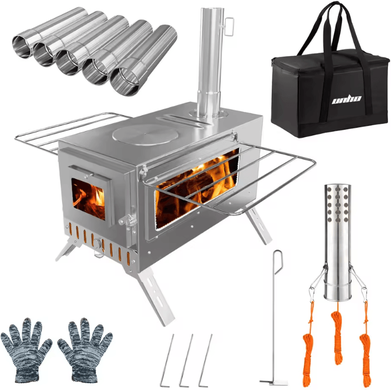
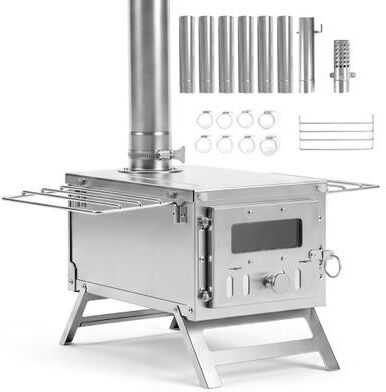
Inspire Curations Portable Hot Tent Wood Stove With Chimney Pipes For Outdoor Cooking & Heating Portable Hot Tent Wood Stove With Chimney Pipes For Outdoor Cooking & HeatingStay warm and cook with confidence wherever your adventure takes you. This portable wood stove is designed for outdoor enthusiasts who need reliable heat and cooking power in one compact setup. Built with durable materials and a complete chimney...380,50 $*Shipping: 0,00 $Secure redirect to the provider


-
Why do hot water pipes tend to calcify more easily than pipes for cold water?
Hot water pipes tend to calcify more easily than pipes for cold water because the heat in the water causes minerals like calcium and magnesium to precipitate out of the water and form deposits on the inside of the pipes. This process is known as scaling or calcification. The higher temperature of the hot water also accelerates the chemical reactions that lead to the formation of these deposits. In contrast, cold water does not promote the same level of mineral buildup, making cold water pipes less prone to calcification. **
-
Do these water pipes contain lead?
Without further information or testing, it is impossible to determine if these water pipes contain lead. Lead pipes were commonly used in plumbing systems in the past, so it is possible that older pipes may contain lead. To confirm if the water pipes contain lead, a professional inspection or testing of the pipes would be necessary. Lead in drinking water can be harmful to health, so it is important to address any concerns about lead in water pipes promptly. **
-
Why are our water pipes buzzing?
Water pipes may buzz due to a phenomenon called water hammer, which occurs when the flow of water is suddenly stopped or redirected, causing a pressure surge in the pipes. This pressure surge can create vibrations and a buzzing sound as the water tries to navigate through the pipes. Another possible reason for buzzing pipes could be loose or improperly secured pipes, which can vibrate when water flows through them, creating the buzzing noise. It is important to address buzzing pipes promptly to prevent potential damage or leaks in the plumbing system. **
-
Why are our water pipes humming?
Water pipes can hum for a few different reasons. One common cause is water pressure that is too high, which can create vibrations in the pipes and cause them to hum. Another possibility is that the pipes are not properly secured and are vibrating against the surrounding structure. Additionally, air bubbles or sediment buildup in the pipes can also cause humming or vibrating noises. It's important to address the issue promptly, as prolonged humming can lead to damage or leaks in the plumbing system. **


Why are the water pipes whistling?
The water pipes may be whistling due to a build-up of pressure in the pipes, causing the water to flow through at a high speed and create a whistling sound. Another possible reason could be a blockage or obstruction in the pipes, causing the water to be forced through a smaller space and creating the whistling noise. It is important to investigate the cause of the whistling pipes to prevent any potential damage or issues with the plumbing system. **
Why are the water pipes rattling?
The water pipes may be rattling due to several reasons. One common cause is high water pressure, which can cause the pipes to vibrate and make noise. Another reason could be loose or improperly secured pipes, which can also lead to rattling sounds. Additionally, the presence of air in the pipes or sediment buildup can cause vibrations and noise as the water flows through the system. It's important to address the issue promptly to prevent any potential damage to the plumbing system. **
Top-Angebote
Products related to Pipes:
-
Mid America CapMaster for Vent PipesThe Mid America CapMaster has an aesthetically pleasing and unobtrusive design that adds color and softens the look of your vent pipes. Use the vent pipe cover with any 3 or 4-inch vent pipes and with any roof pitch from 3/12 to 12/12. A smart...27,54 $*Shipping: 0,00 $Secure redirect to the provider
-
Friendly Fresh Finds Colorful Bird Water Whistle Pipes Set Of Fun Toy For Kids Perfect Birthday Gift & Party Accessory Colorful Bird Water Whistle Pipes Set Of Fun Toy For Kids Perfect Birthday Gift & Party AccessoryLooking for a fun and unique way to delight kids at their next birthday party Our Colorful Bird Water Whistle Pipes are the perfect toy to bring joy and laughter to any occasion. Designed with vibrant colors and a playful bird whistle sound, these...31,97 $*Shipping: 0,00 $Secure redirect to the provider
-
Inspire Curations Portable Hot Tent Wood Stove With Chimney Pipes For Outdoor Cooking & Heating Portable Hot Tent Wood Stove With Chimney Pipes For Outdoor Cooking & HeatingStay warm and cook with confidence wherever your adventure takes you. This portable wood stove is designed for outdoor enthusiasts who need reliable heat and cooking power in one compact setup. Built with durable materials and a complete chimney...380,50 $*Shipping: 0,00 $Secure redirect to the provider
-
Why do hot water pipes calcify more easily than pipes for cold water?
Hot water pipes tend to calcify more easily than pipes for cold water because the heat in the water causes minerals like calcium and magnesium to precipitate out of the water and form deposits on the inner walls of the pipes. This process is known as scaling or calcification. The higher temperature of the water speeds up the chemical reactions that lead to the formation of these deposits, making hot water pipes more prone to calcification compared to cold water pipes. Additionally, the constant flow of hot water through the pipes can contribute to the build-up of scale over time. **
-
Can water pipes be descaled?
Yes, water pipes can be descaled. Over time, mineral deposits can build up inside water pipes, causing reduced water flow and potential damage to the pipes. Descaling is the process of removing these mineral deposits, typically using a descaling solution or mechanical methods such as pipe scraping or hydro jetting. Regular descaling can help maintain the efficiency and longevity of water pipes. **
-
Why do hot water pipes tend to calcify more easily than pipes for cold water?
Hot water pipes tend to calcify more easily than pipes for cold water because the heat in the water causes minerals like calcium and magnesium to precipitate out of the water and form deposits on the inside of the pipes. This process is known as scaling or calcification. The higher temperature of the hot water also accelerates the chemical reactions that lead to the formation of these deposits. In contrast, cold water does not promote the same level of mineral buildup, making cold water pipes less prone to calcification. **
-
Do these water pipes contain lead?
Without further information or testing, it is impossible to determine if these water pipes contain lead. Lead pipes were commonly used in plumbing systems in the past, so it is possible that older pipes may contain lead. To confirm if the water pipes contain lead, a professional inspection or testing of the pipes would be necessary. Lead in drinking water can be harmful to health, so it is important to address any concerns about lead in water pipes promptly. **
Similar search terms for Pipes
-
Inspire Daily Merch Portable Wood Burning Hot Tent Stove With Stainless Chimney Pipes For Camping aEmbrace the Wild in Comfort There is nothing quite like the crackle of a fire when the temperature drops during an alpine trek or a weekend in the woods. This portable wood stove is engineered for the modern adventurer who refuses to let the cold...389,97 $*Shipping: 0,00 $Secure redirect to the provider
-
Why are our water pipes buzzing?
Water pipes may buzz due to a phenomenon called water hammer, which occurs when the flow of water is suddenly stopped or redirected, causing a pressure surge in the pipes. This pressure surge can create vibrations and a buzzing sound as the water tries to navigate through the pipes. Another possible reason for buzzing pipes could be loose or improperly secured pipes, which can vibrate when water flows through them, creating the buzzing noise. It is important to address buzzing pipes promptly to prevent potential damage or leaks in the plumbing system. **
-
Why are our water pipes humming?
Water pipes can hum for a few different reasons. One common cause is water pressure that is too high, which can create vibrations in the pipes and cause them to hum. Another possibility is that the pipes are not properly secured and are vibrating against the surrounding structure. Additionally, air bubbles or sediment buildup in the pipes can also cause humming or vibrating noises. It's important to address the issue promptly, as prolonged humming can lead to damage or leaks in the plumbing system. **
-
Why are the water pipes whistling?
The water pipes may be whistling due to a build-up of pressure in the pipes, causing the water to flow through at a high speed and create a whistling sound. Another possible reason could be a blockage or obstruction in the pipes, causing the water to be forced through a smaller space and creating the whistling noise. It is important to investigate the cause of the whistling pipes to prevent any potential damage or issues with the plumbing system. **
-
Why are the water pipes rattling?
The water pipes may be rattling due to several reasons. One common cause is high water pressure, which can cause the pipes to vibrate and make noise. Another reason could be loose or improperly secured pipes, which can also lead to rattling sounds. Additionally, the presence of air in the pipes or sediment buildup can cause vibrations and noise as the water flows through the system. It's important to address the issue promptly to prevent any potential damage to the plumbing system. **
* All prices are inclusive of VAT and, if applicable, plus shipping costs. The offer information is based on the details provided by the respective shop and is updated through automated processes. Real-time updates do not occur, so deviations can occur in individual cases. ** Note: Parts of this content were created by AI.