Buy duemmer.eu ?
We are moving the project
duemmer.eu .
Are you interested in purchasing the domain
duemmer.eu ?
domain@kv-gmbh.de · 0541-91531010
Buy duemmer.eu ?
Why does sand not dissolve in water?
Sand does not dissolve in water because it is made up of large, insoluble particles of minerals such as quartz and feldspar. These particles are held together by strong chemical bonds that are not easily broken by water molecules. Additionally, the surface area of sand particles is relatively small compared to the volume of water, making it difficult for water molecules to surround and break apart the sand particles. As a result, sand remains as solid particles in water rather than dissolving into it. **
What about sand in the hot water?
When sand is added to hot water, it can cause the water to become cloudy and gritty. The sand particles can also settle at the bottom of the container, making it difficult to pour the water without getting sand in it. Additionally, if the sand is not clean, it can introduce impurities into the water, making it unsuitable for drinking or cooking. Therefore, it is important to avoid adding sand to hot water unless it has been properly cleaned and filtered. **

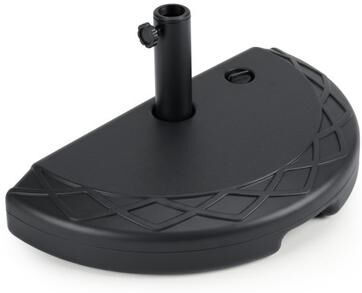
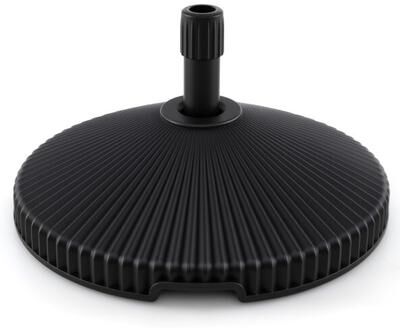
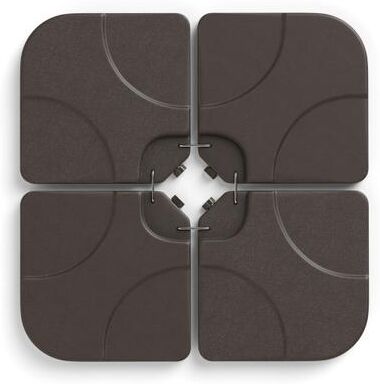
Similar search terms for Costway-Sand-and-Water
Top-Angebote
Products related to Costway-Sand-and-Water:




-
What plan is there for separating water, oil, and sand?
One common plan for separating water, oil, and sand is through a process called gravity separation. In this method, the mixture is allowed to settle in a container, allowing the sand to settle at the bottom, the oil to float on top of the water, and the water to remain in the middle. Once the layers have separated, they can be carefully decanted or skimmed off individually. This process can be enhanced by using specialized equipment such as centrifuges or filters to further separate the components. **
-
How do you separate sand from water and how do you separate salt and water?
To separate sand from water, you can use the process of filtration. Pour the sand and water mixture through a filter, such as a coffee filter or a piece of cloth, and the sand will be left behind while the water passes through. To separate salt from water, you can use the process of evaporation. Heat the saltwater solution, and as the water evaporates, the salt will be left behind. You can then collect the water vapor and condense it back into liquid form, leaving the salt behind. **
-
Is it a water source or just sand?
It is not possible to determine if it is a water source or just sand without further information or context. Water sources can be found in sandy areas, such as underground aquifers or oases. However, just looking at sand alone does not indicate whether there is a water source present. Additional investigation or testing would be needed to confirm the presence of a water source. **
-
How can one separate the mixture of sand, sugar, and water?
To separate the mixture of sand, sugar, and water, you can use the process of filtration. First, pour the mixture through a filter paper or a sieve to separate the sand from the sugar and water. The sand will be left behind on the filter paper, while the sugar and water will pass through. Then, you can further separate the sugar from the water by evaporating the water, leaving the sugar behind. **
How can the mixture of sand, sugar, and water be separated?
The mixture of sand, sugar, and water can be separated using a process called filtration. First, the mixture is poured through a filter paper or a sieve, which allows the water to pass through while trapping the sand particles. Then, the water and sugar solution can be separated by evaporating the water, leaving the sugar behind. This process allows for the individual components of the mixture to be separated and collected. **
How many mixtures can be made from sand, salt, and water?
There are three possible mixtures that can be made from sand, salt, and water. The first mixture would be a suspension of sand in water, where the sand particles are suspended but not dissolved. The second mixture would be a solution of salt in water, where the salt is dissolved into the water. The third mixture would be a suspension of sand and salt in water, where both the sand and salt particles are suspended but not dissolved. **
Top-Angebote
Products related to Costway-Sand-and-Water:
-
Why does sand not dissolve in water?
Sand does not dissolve in water because it is made up of large, insoluble particles of minerals such as quartz and feldspar. These particles are held together by strong chemical bonds that are not easily broken by water molecules. Additionally, the surface area of sand particles is relatively small compared to the volume of water, making it difficult for water molecules to surround and break apart the sand particles. As a result, sand remains as solid particles in water rather than dissolving into it. **
-
What about sand in the hot water?
When sand is added to hot water, it can cause the water to become cloudy and gritty. The sand particles can also settle at the bottom of the container, making it difficult to pour the water without getting sand in it. Additionally, if the sand is not clean, it can introduce impurities into the water, making it unsuitable for drinking or cooking. Therefore, it is important to avoid adding sand to hot water unless it has been properly cleaned and filtered. **
-
What plan is there for separating water, oil, and sand?
One common plan for separating water, oil, and sand is through a process called gravity separation. In this method, the mixture is allowed to settle in a container, allowing the sand to settle at the bottom, the oil to float on top of the water, and the water to remain in the middle. Once the layers have separated, they can be carefully decanted or skimmed off individually. This process can be enhanced by using specialized equipment such as centrifuges or filters to further separate the components. **
-
How do you separate sand from water and how do you separate salt and water?
To separate sand from water, you can use the process of filtration. Pour the sand and water mixture through a filter, such as a coffee filter or a piece of cloth, and the sand will be left behind while the water passes through. To separate salt from water, you can use the process of evaporation. Heat the saltwater solution, and as the water evaporates, the salt will be left behind. You can then collect the water vapor and condense it back into liquid form, leaving the salt behind. **
Similar search terms for Costway-Sand-and-Water
-
Is it a water source or just sand?
It is not possible to determine if it is a water source or just sand without further information or context. Water sources can be found in sandy areas, such as underground aquifers or oases. However, just looking at sand alone does not indicate whether there is a water source present. Additional investigation or testing would be needed to confirm the presence of a water source. **
-
How can one separate the mixture of sand, sugar, and water?
To separate the mixture of sand, sugar, and water, you can use the process of filtration. First, pour the mixture through a filter paper or a sieve to separate the sand from the sugar and water. The sand will be left behind on the filter paper, while the sugar and water will pass through. Then, you can further separate the sugar from the water by evaporating the water, leaving the sugar behind. **
-
How can the mixture of sand, sugar, and water be separated?
The mixture of sand, sugar, and water can be separated using a process called filtration. First, the mixture is poured through a filter paper or a sieve, which allows the water to pass through while trapping the sand particles. Then, the water and sugar solution can be separated by evaporating the water, leaving the sugar behind. This process allows for the individual components of the mixture to be separated and collected. **
-
How many mixtures can be made from sand, salt, and water?
There are three possible mixtures that can be made from sand, salt, and water. The first mixture would be a suspension of sand in water, where the sand particles are suspended but not dissolved. The second mixture would be a solution of salt in water, where the salt is dissolved into the water. The third mixture would be a suspension of sand and salt in water, where both the sand and salt particles are suspended but not dissolved. **
* All prices are inclusive of VAT and, if applicable, plus shipping costs. The offer information is based on the details provided by the respective shop and is updated through automated processes. Real-time updates do not occur, so deviations can occur in individual cases. ** Note: Parts of this content were created by AI.