Buy duemmer.eu ?
We are moving the project
duemmer.eu .
Are you interested in purchasing the domain
duemmer.eu ?
domain@kv-gmbh.de · 0541-91531010
Buy duemmer.eu ?
Is beige or sand lighter?
Beige is generally considered to be lighter than sand. Beige is a light, pale yellow-brown color with warm undertones, while sand is a light, pale shade of brown with neutral undertones. The difference in undertones can make beige appear lighter than sand, which has a slightly darker and more earthy tone. **
What is the difference between a sun leaf and a shade leaf?
Sun leaves and shade leaves have different adaptations to optimize photosynthesis in their respective environments. Sun leaves are typically smaller, thicker, and have more chlorophyll to capture as much sunlight as possible. They also have a higher density of stomata to facilitate gas exchange. In contrast, shade leaves are larger, thinner, and have less chlorophyll to maximize light absorption in low light conditions. They also have a lower stomatal density to reduce water loss in shaded environments. Overall, these differences allow each type of leaf to efficiently capture and utilize the available light in their specific environment. **
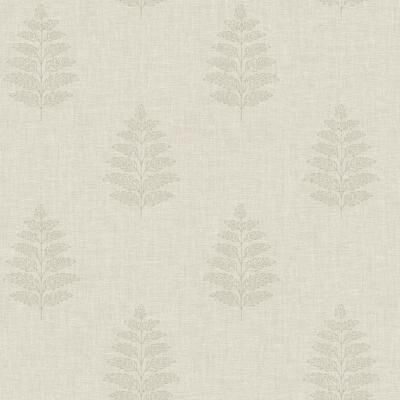
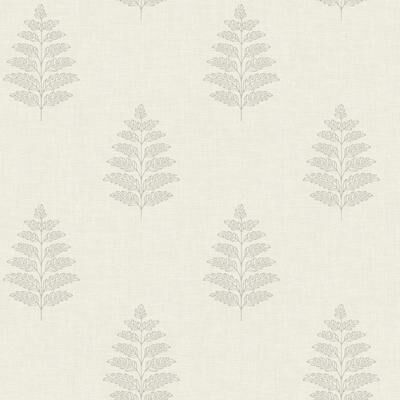
Similar search terms for Chesapeake-Frond-Beige-Leaf
Top-Angebote
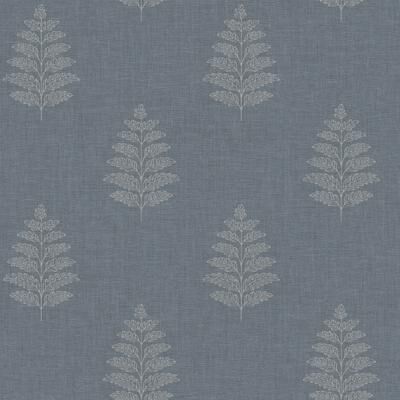
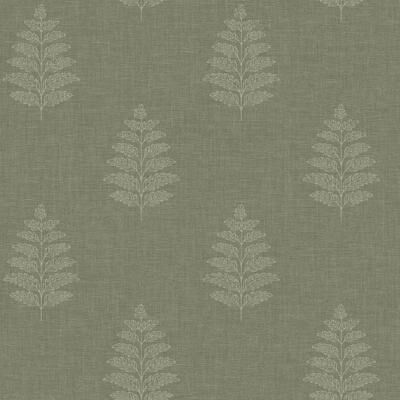
Products related to Chesapeake-Frond-Beige-Leaf:


-
What is the difference between shade leaf and sun leaf palisade tissue?
Shade leaf palisade tissue is typically thinner and contains fewer chloroplasts compared to sun leaf palisade tissue. This is because shade leaves are adapted to lower light conditions and therefore need to maximize light absorption. Sun leaf palisade tissue, on the other hand, is thicker and contains more chloroplasts to capture and utilize the abundant sunlight. These differences in palisade tissue structure and chloroplast density allow plants to efficiently photosynthesize in their respective light environments. **
-
What is the difference between a shade leaf and a sun leaf?
Shade leaves are typically larger and thinner than sun leaves, as they are adapted to capture as much light as possible in low-light conditions. They also have a higher chlorophyll content to maximize photosynthesis. Sun leaves, on the other hand, are smaller and thicker, with a waxy coating to help reduce water loss and protect against excessive sunlight. They are adapted to withstand the higher light intensity and heat of direct sunlight. **
-
Can I use a frond from a phoenix palm for rabbits?
Yes, you can use fronds from a phoenix palm for rabbits. Phoenix palm fronds can be a good source of fiber for rabbits, which is important for their digestive health. However, it's important to make sure that the fronds are free from any pesticides or chemicals that could be harmful to the rabbits. Additionally, you should always introduce new foods to your rabbits gradually to avoid upsetting their digestive system. **
-
Do you like beige?
As an AI, I don't have personal preferences, but beige is a versatile and neutral color that can be used in a variety of design schemes. It can create a calming and soothing atmosphere, and it pairs well with many other colors. Beige can also serve as a great backdrop for adding pops of color or creating a minimalist aesthetic. Ultimately, whether someone likes beige or not is a matter of personal taste and how it fits into their overall design vision. **
'White or beige wall?'
It ultimately depends on the overall aesthetic and style of the space. White walls can create a clean, modern, and bright look, while beige walls can add warmth and a sense of coziness to a room. Consider the furniture, decor, and lighting in the space to determine which color would complement the overall design. Additionally, take into account the natural light in the room, as it can affect how the wall color appears. **
Why is the leaf actually leaf-shaped?
The leaf is leaf-shaped because its shape is adapted to optimize photosynthesis, the process by which plants convert sunlight into energy. The broad, flat shape of a leaf maximizes the surface area exposed to sunlight, allowing for more efficient absorption of light. This shape also facilitates the exchange of gases, such as carbon dioxide and oxygen, with the environment. Overall, the leaf's shape is a result of natural selection favoring traits that enhance the plant's ability to capture sunlight and carry out essential biological processes. **
Top-Angebote
Products related to Chesapeake-Frond-Beige-Leaf:
-
Is beige or sand lighter?
Beige is generally considered to be lighter than sand. Beige is a light, pale yellow-brown color with warm undertones, while sand is a light, pale shade of brown with neutral undertones. The difference in undertones can make beige appear lighter than sand, which has a slightly darker and more earthy tone. **
-
What is the difference between a sun leaf and a shade leaf?
Sun leaves and shade leaves have different adaptations to optimize photosynthesis in their respective environments. Sun leaves are typically smaller, thicker, and have more chlorophyll to capture as much sunlight as possible. They also have a higher density of stomata to facilitate gas exchange. In contrast, shade leaves are larger, thinner, and have less chlorophyll to maximize light absorption in low light conditions. They also have a lower stomatal density to reduce water loss in shaded environments. Overall, these differences allow each type of leaf to efficiently capture and utilize the available light in their specific environment. **
-
What is the difference between shade leaf and sun leaf palisade tissue?
Shade leaf palisade tissue is typically thinner and contains fewer chloroplasts compared to sun leaf palisade tissue. This is because shade leaves are adapted to lower light conditions and therefore need to maximize light absorption. Sun leaf palisade tissue, on the other hand, is thicker and contains more chloroplasts to capture and utilize the abundant sunlight. These differences in palisade tissue structure and chloroplast density allow plants to efficiently photosynthesize in their respective light environments. **
-
What is the difference between a shade leaf and a sun leaf?
Shade leaves are typically larger and thinner than sun leaves, as they are adapted to capture as much light as possible in low-light conditions. They also have a higher chlorophyll content to maximize photosynthesis. Sun leaves, on the other hand, are smaller and thicker, with a waxy coating to help reduce water loss and protect against excessive sunlight. They are adapted to withstand the higher light intensity and heat of direct sunlight. **
Similar search terms for Chesapeake-Frond-Beige-Leaf
-
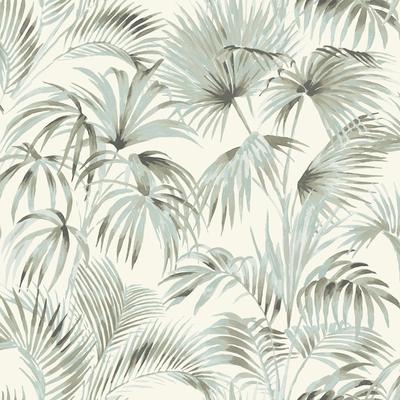
Chesapeake Manaus Aqua Palm Frond WallpaperFor a tranquil taste of the tropics, look no further than this palm leaf wallpaper. The fanning palm fronds are painted in shades of moss green and cool aqua along a white backdrop. Manaus is a prepasted, sure strip wallpaper.82,50 $*Shipping: 0,00 $Secure redirect to the provider
-
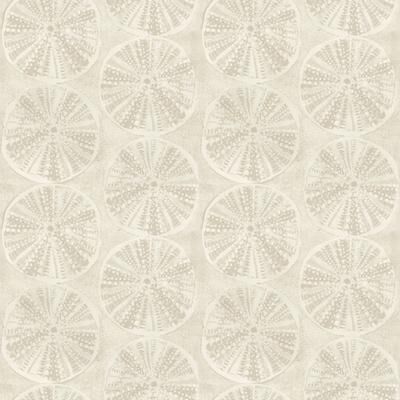
Chesapeake Sea Biscuit Beige Sand Dollar WallpaperFeel as if you're strolling warm, sandy beaches with this coastal wallpaper. Sand dollars with their iconic star patterned tops form columns along a beige backdrop. Sea Biscuit is a prepasted, sure strip wallpaper.86,99 $*Shipping: 0,00 $Secure redirect to the provider
-
Can I use a frond from a phoenix palm for rabbits?
Yes, you can use fronds from a phoenix palm for rabbits. Phoenix palm fronds can be a good source of fiber for rabbits, which is important for their digestive health. However, it's important to make sure that the fronds are free from any pesticides or chemicals that could be harmful to the rabbits. Additionally, you should always introduce new foods to your rabbits gradually to avoid upsetting their digestive system. **
-
Do you like beige?
As an AI, I don't have personal preferences, but beige is a versatile and neutral color that can be used in a variety of design schemes. It can create a calming and soothing atmosphere, and it pairs well with many other colors. Beige can also serve as a great backdrop for adding pops of color or creating a minimalist aesthetic. Ultimately, whether someone likes beige or not is a matter of personal taste and how it fits into their overall design vision. **
-
'White or beige wall?'
It ultimately depends on the overall aesthetic and style of the space. White walls can create a clean, modern, and bright look, while beige walls can add warmth and a sense of coziness to a room. Consider the furniture, decor, and lighting in the space to determine which color would complement the overall design. Additionally, take into account the natural light in the room, as it can affect how the wall color appears. **
-
Why is the leaf actually leaf-shaped?
The leaf is leaf-shaped because its shape is adapted to optimize photosynthesis, the process by which plants convert sunlight into energy. The broad, flat shape of a leaf maximizes the surface area exposed to sunlight, allowing for more efficient absorption of light. This shape also facilitates the exchange of gases, such as carbon dioxide and oxygen, with the environment. Overall, the leaf's shape is a result of natural selection favoring traits that enhance the plant's ability to capture sunlight and carry out essential biological processes. **
* All prices are inclusive of VAT and, if applicable, plus shipping costs. The offer information is based on the details provided by the respective shop and is updated through automated processes. Real-time updates do not occur, so deviations can occur in individual cases. ** Note: Parts of this content were created by AI.