Buy duemmer.eu ?
We are moving the project
duemmer.eu .
Are you interested in purchasing the domain
duemmer.eu ?
domain@kv-gmbh.de · 0541-91531010
Buy duemmer.eu ?
What are the differences between covalent bonds, metallic bonds, and ionic bonds?
Covalent bonds are formed when two atoms share electrons, resulting in a strong bond between the atoms. Metallic bonds occur between metal atoms, where the electrons are delocalized and free to move throughout the structure, creating a strong bond. Ionic bonds are formed between a metal and a nonmetal, where one atom transfers electrons to the other, resulting in the formation of positively and negatively charged ions that are attracted to each other. Overall, covalent bonds involve electron sharing, metallic bonds involve electron delocalization, and ionic bonds involve electron transfer. **
Do CO bonds form with other CO bonds?
No, CO bonds do not typically form with other CO bonds. Carbon monoxide (CO) is a stable molecule with a triple bond between the carbon and oxygen atoms. This triple bond is strong and does not readily form additional bonds with other CO molecules. Instead, CO molecules tend to interact with other types of molecules through various types of chemical reactions. **


Similar search terms for Bonds
Top-Angebote
Products related to Bonds:
-
Market Central Foldable Lightweight Beach Pillow Comfortable Outdoor Headrest For Beach Loungers And Relaxation redTurn every outdoor moment into a more comfortable escape with this foldable lightweight beach pillow designed for effortless relaxation. Perfect for beach lovers, campers, and travelers, this portable headrest provides soft support while lounging...39,97 $*Shipping: 0,00 $Secure redirect to the provider
-
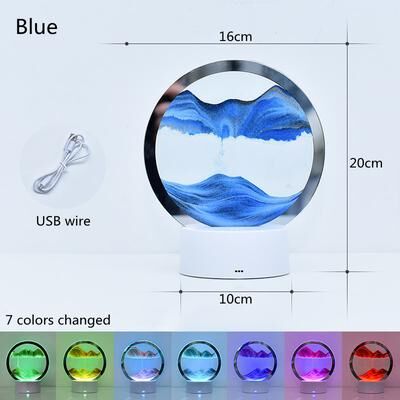
Universal Stock Flowing Sand Lamp LED Night Light Moving Sand Art Desk Decor For Relaxation blueTurn everyday moments into a calming escape with this mesmerizing 1 pc of Flowing sand lamp that blends soothing motion with soft ambient lighting. Designed for anyone who loves stylish dcor, peaceful spaces, or thoughtful gifts, this elegant lamp...44,97 $*Shipping: 0,00 $Secure redirect to the provider
-
Perfect Picks Market Dinosaur Beach Toy Set For Kids Sensory Sand And Water Play Kit orange oceanLet your childs imagination run wild with this delightful beach toy set for kids designed for endless outdoor fun. Featuring colorful dinosaurthemed pieces, this playful kit transforms ordinary sand play into an exciting prehistoric adventure....34,97 $*Shipping: 0,00 $Secure redirect to the provider
-
Inspired Finds Eternal Bonds Personalized Acrylic Photo Frame & Custom Couple Plaque Gift 7 Colors LightCapture Your Timeless Connection. Turn your most meaningful moments into a lasting keepsake with this elegant personalized acrylic photo frame. Designed specifically for couples who value memories that matter, this sleek, transparent display piece...116,99 $*Shipping: 0,00 $Secure redirect to the provider



-
Does sugar form hydrogen bonds with water?
Yes, sugar can form hydrogen bonds with water. The hydroxyl groups (-OH) present in sugar molecules can participate in hydrogen bonding with the water molecules. This allows sugar to dissolve in water and form a homogeneous solution. The hydrogen bonding between sugar and water molecules helps to stabilize the sugar molecules in the solution. **
-
Why are intermolecular bonds weaker than electron pair bonds?
Intermolecular bonds are weaker than electron pair bonds because they involve interactions between molecules rather than within a single molecule. In intermolecular bonds, the attractive forces between molecules are generally weaker than the covalent bonds that hold atoms together within a molecule. Additionally, intermolecular bonds are typically temporary and can be easily broken, whereas electron pair bonds are strong and stable. Overall, the weaker nature of intermolecular bonds allows molecules to move and interact with each other more freely. **
-
Why are intermolecular bonds generally weaker than covalent bonds?
Intermolecular bonds are generally weaker than covalent bonds because they involve interactions between molecules rather than within a single molecule. Covalent bonds involve the sharing of electrons between atoms, creating strong bonds within a molecule. In contrast, intermolecular bonds, such as hydrogen bonds or van der Waals forces, are weaker because they are based on temporary interactions between molecules, which can be easily broken. Additionally, intermolecular bonds are influenced by factors such as distance and orientation, further contributing to their weaker nature compared to covalent bonds. **
-
Why are intermolecular bonds typically weaker than covalent bonds?
Intermolecular bonds are typically weaker than covalent bonds because they involve interactions between molecules rather than within a single molecule. In intermolecular bonds, the attractive forces between molecules, such as van der Waals forces or hydrogen bonding, are weaker than the strong sharing of electrons in covalent bonds. Additionally, intermolecular bonds are more easily broken or disrupted by changes in temperature or pressure, leading to lower bond energies compared to covalent bonds. **


Why are intermolecular bonds generally weaker than electron pair bonds?
Intermolecular bonds are generally weaker than electron pair bonds because they involve interactions between molecules, which are larger and less localized than the interactions between atoms in a covalent bond. In intermolecular bonds, the attractive forces are typically weaker due to the larger distance between molecules and the lack of direct sharing of electrons. In contrast, electron pair bonds involve the sharing of electrons between atoms, leading to stronger and more localized bonding interactions. **
Why are polar bonds lower in energy than nonpolar bonds?
Polar bonds are lower in energy than nonpolar bonds because they involve the unequal sharing of electrons between two atoms with different electronegativities. This unequal sharing creates a dipole moment, which results in an attractive force between the partially positive and partially negative ends of the molecule. This electrostatic attraction lowers the overall energy of the molecule compared to nonpolar bonds, where electrons are shared equally. As a result, polar bonds are typically stronger and more stable than nonpolar bonds. **
Top-Angebote
Products related to Bonds:
-
Inspired Finds Eternal Bonds Personalized Acrylic Photo Frame & Custom Couple Plaque Gift warm LightCapture Your Timeless Connection. Turn your most meaningful moments into a lasting keepsake with this elegant personalized acrylic photo frame. Designed specifically for couples who value memories that matter, this sleek, transparent display piece...110,99 $*Shipping: 0,00 $Secure redirect to the provider
-
Market Central Foldable Lightweight Beach Pillow Comfortable Outdoor Headrest For Beach Loungers And Relaxation redTurn every outdoor moment into a more comfortable escape with this foldable lightweight beach pillow designed for effortless relaxation. Perfect for beach lovers, campers, and travelers, this portable headrest provides soft support while lounging...39,97 $*Shipping: 0,00 $Secure redirect to the provider
-
Universal Stock Flowing Sand Lamp LED Night Light Moving Sand Art Desk Decor For Relaxation blueTurn everyday moments into a calming escape with this mesmerizing 1 pc of Flowing sand lamp that blends soothing motion with soft ambient lighting. Designed for anyone who loves stylish dcor, peaceful spaces, or thoughtful gifts, this elegant lamp...44,97 $*Shipping: 0,00 $Secure redirect to the provider
-
What are the differences between covalent bonds, metallic bonds, and ionic bonds?
Covalent bonds are formed when two atoms share electrons, resulting in a strong bond between the atoms. Metallic bonds occur between metal atoms, where the electrons are delocalized and free to move throughout the structure, creating a strong bond. Ionic bonds are formed between a metal and a nonmetal, where one atom transfers electrons to the other, resulting in the formation of positively and negatively charged ions that are attracted to each other. Overall, covalent bonds involve electron sharing, metallic bonds involve electron delocalization, and ionic bonds involve electron transfer. **
-
Do CO bonds form with other CO bonds?
No, CO bonds do not typically form with other CO bonds. Carbon monoxide (CO) is a stable molecule with a triple bond between the carbon and oxygen atoms. This triple bond is strong and does not readily form additional bonds with other CO molecules. Instead, CO molecules tend to interact with other types of molecules through various types of chemical reactions. **
-
Does sugar form hydrogen bonds with water?
Yes, sugar can form hydrogen bonds with water. The hydroxyl groups (-OH) present in sugar molecules can participate in hydrogen bonding with the water molecules. This allows sugar to dissolve in water and form a homogeneous solution. The hydrogen bonding between sugar and water molecules helps to stabilize the sugar molecules in the solution. **
-
Why are intermolecular bonds weaker than electron pair bonds?
Intermolecular bonds are weaker than electron pair bonds because they involve interactions between molecules rather than within a single molecule. In intermolecular bonds, the attractive forces between molecules are generally weaker than the covalent bonds that hold atoms together within a molecule. Additionally, intermolecular bonds are typically temporary and can be easily broken, whereas electron pair bonds are strong and stable. Overall, the weaker nature of intermolecular bonds allows molecules to move and interact with each other more freely. **
Similar search terms for Bonds
-
Perfect Picks Market Dinosaur Beach Toy Set For Kids Sensory Sand And Water Play Kit orange oceanLet your childs imagination run wild with this delightful beach toy set for kids designed for endless outdoor fun. Featuring colorful dinosaurthemed pieces, this playful kit transforms ordinary sand play into an exciting prehistoric adventure....34,97 $*Shipping: 0,00 $Secure redirect to the provider
-
Inspired Finds Eternal Bonds Personalized Acrylic Photo Frame & Custom Couple Plaque Gift 7 Colors LightCapture Your Timeless Connection. Turn your most meaningful moments into a lasting keepsake with this elegant personalized acrylic photo frame. Designed specifically for couples who value memories that matter, this sleek, transparent display piece...116,99 $*Shipping: 0,00 $Secure redirect to the provider
-
Market Central Foldable Lightweight Beach Pillow Comfortable Outdoor Headrest For Beach Loungers And Relaxation yellowTurn every outdoor moment into a more comfortable escape with this foldable lightweight beach pillow designed for effortless relaxation. Perfect for beach lovers, campers, and travelers, this portable headrest provides soft support while lounging...39,97 $*Shipping: 0,00 $Secure redirect to the provider
-
Market Central Foldable Lightweight Beach Pillow Comfortable Outdoor Headrest For Beach Loungers And Relaxation blueTurn every outdoor moment into a more comfortable escape with this foldable lightweight beach pillow designed for effortless relaxation. Perfect for beach lovers, campers, and travelers, this portable headrest provides soft support while lounging...39,97 $*Shipping: 0,00 $Secure redirect to the provider
-
Why are intermolecular bonds generally weaker than covalent bonds?
Intermolecular bonds are generally weaker than covalent bonds because they involve interactions between molecules rather than within a single molecule. Covalent bonds involve the sharing of electrons between atoms, creating strong bonds within a molecule. In contrast, intermolecular bonds, such as hydrogen bonds or van der Waals forces, are weaker because they are based on temporary interactions between molecules, which can be easily broken. Additionally, intermolecular bonds are influenced by factors such as distance and orientation, further contributing to their weaker nature compared to covalent bonds. **
-
Why are intermolecular bonds typically weaker than covalent bonds?
Intermolecular bonds are typically weaker than covalent bonds because they involve interactions between molecules rather than within a single molecule. In intermolecular bonds, the attractive forces between molecules, such as van der Waals forces or hydrogen bonding, are weaker than the strong sharing of electrons in covalent bonds. Additionally, intermolecular bonds are more easily broken or disrupted by changes in temperature or pressure, leading to lower bond energies compared to covalent bonds. **
-
Why are intermolecular bonds generally weaker than electron pair bonds?
Intermolecular bonds are generally weaker than electron pair bonds because they involve interactions between molecules, which are larger and less localized than the interactions between atoms in a covalent bond. In intermolecular bonds, the attractive forces are typically weaker due to the larger distance between molecules and the lack of direct sharing of electrons. In contrast, electron pair bonds involve the sharing of electrons between atoms, leading to stronger and more localized bonding interactions. **
-
Why are polar bonds lower in energy than nonpolar bonds?
Polar bonds are lower in energy than nonpolar bonds because they involve the unequal sharing of electrons between two atoms with different electronegativities. This unequal sharing creates a dipole moment, which results in an attractive force between the partially positive and partially negative ends of the molecule. This electrostatic attraction lowers the overall energy of the molecule compared to nonpolar bonds, where electrons are shared equally. As a result, polar bonds are typically stronger and more stable than nonpolar bonds. **
* All prices are inclusive of VAT and, if applicable, plus shipping costs. The offer information is based on the details provided by the respective shop and is updated through automated processes. Real-time updates do not occur, so deviations can occur in individual cases. ** Note: Parts of this content were created by AI.