Buy duemmer.eu ?
We are moving the project
duemmer.eu .
Are you interested in purchasing the domain
duemmer.eu ?
domain@kv-gmbh.de · 0541-91531010
Buy duemmer.eu ?
What is the replication origin in DNA replication?
The replication origin is a specific sequence of DNA where the process of DNA replication begins. It is the site where the two strands of the DNA double helix are separated and the replication machinery is assembled. The replication origin is recognized by specific proteins that initiate the unwinding of the DNA and the synthesis of new DNA strands. Each DNA molecule has multiple replication origins to ensure that the entire genome is replicated efficiently. **
What is semiconservative replication?
Semiconservative replication is the process by which DNA is copied during cell division. In this process, the two strands of the DNA double helix separate, and each strand serves as a template for the synthesis of a new complementary strand. As a result, each new DNA molecule contains one original strand and one newly synthesized strand. This ensures that the genetic information is preserved and passed on to the next generation of cells. This process was first proposed by James Watson and Francis Crick in 1953. **


Similar search terms for Replication
Top-Angebote
Products related to Replication:
-
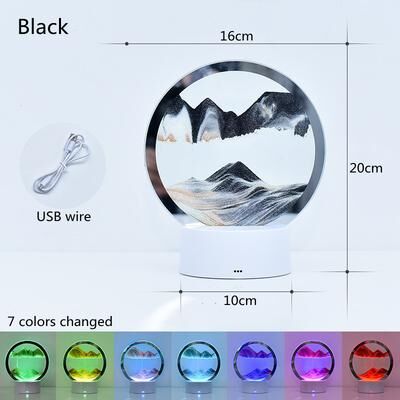
Universal Stock Flowing Sand Lamp LED Night Light Moving Sand Art Desk Decor For Relaxation blackTurn everyday moments into a calming escape with this mesmerizing 1 pc of Flowing sand lamp that blends soothing motion with soft ambient lighting. Designed for anyone who loves stylish dcor, peaceful spaces, or thoughtful gifts, this elegant lamp...44,97 $*Shipping: 0,00 $Secure redirect to the provider
-
Perfect Picks Market Dinosaur Beach Toy Set For Kids Sensory Sand And Water Play Kit orange oceanLet your childs imagination run wild with this delightful beach toy set for kids designed for endless outdoor fun. Featuring colorful dinosaurthemed pieces, this playful kit transforms ordinary sand play into an exciting prehistoric adventure....34,97 $*Shipping: 0,00 $Secure redirect to the provider
-
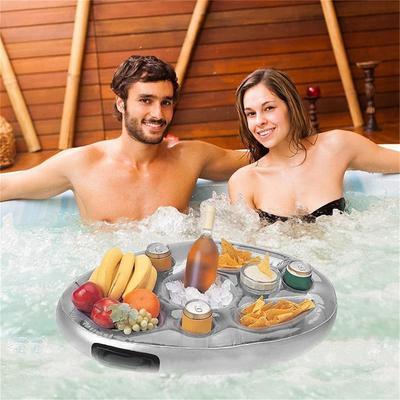
All Categories Goods Swimming Pool Coasters Party Bar Accessories For Beach & Spa Relaxation Fun Outdoor Decor Swimming Pool Coasters Party Bar Accessories For Beach & Spa Relaxation Fun Outdoor DecorTransform your poolside or beach day into a fun, relaxing oasis with our Swimming Pool Coasters. These vibrant, floatable bar accessories are designed to keep your drinks stable while adding a pop of color to any pool, spa, or beach setting. Perfect...44,97 $*Shipping: 0,00 $Secure redirect to the provider
-
Perfect Picks Market Kids Beach Sensory Bucket Set Sand Toys For Kids With Water Play Tools green BucketTurn every beach day into a creative adventure with this engaging beach toys for kids set designed for endless fun and discovery. Crafted for curious little hands, this sensory bucket kit combines sand shaping and water play to spark imagination and...39,97 $*Shipping: 0,00 $Secure redirect to the provider


-
What is DNA replication?
DNA replication is the process by which a cell makes an identical copy of its DNA. This process is essential for cell division and the transmission of genetic information from one generation to the next. It involves the unwinding of the DNA double helix, the synthesis of new complementary strands using the existing strands as templates, and the proofreading and correction of any errors. DNA replication ensures that each new cell receives a complete and accurate set of genetic instructions. **
-
What is RNA self-replication?
RNA self-replication is a process where RNA molecules are able to catalyze their own replication without the need for external enzymes. This ability is crucial for the early evolution of life on Earth, as it is believed to be a key step in the transition from prebiotic chemistry to the emergence of life. RNA self-replication involves the RNA molecule acting as both a template and an enzyme, allowing it to make copies of itself. This process is a fundamental aspect of the RNA world hypothesis, which suggests that RNA played a central role in the origin of life. **
-
How does DNA replication occur?
DNA replication occurs in a semi-conservative manner, where the two strands of the double helix are separated and each strand serves as a template for the synthesis of a new complementary strand. The enzyme helicase unwinds the double helix, creating two single strands. DNA polymerase then adds new nucleotides to each single strand, following the base-pairing rules (A with T, and C with G). This results in two identical double-stranded DNA molecules, each containing one original strand and one newly synthesized strand. **
-
Where does DNA replication occur?
DNA replication occurs in the nucleus of eukaryotic cells and in the cytoplasm of prokaryotic cells. In eukaryotic cells, DNA replication takes place during the S phase of the cell cycle, when the DNA is duplicated to ensure that each daughter cell receives a complete set of genetic information. The process involves the unwinding of the DNA double helix, the synthesis of new DNA strands using existing strands as templates, and the proofreading and correction of errors. Overall, DNA replication is a fundamental process that ensures the accurate transmission of genetic information from one generation to the next. **


What is a replication bubble?
A replication bubble is a region of DNA where the double helix has been unwound and separated to allow for DNA replication to occur. It is formed by the action of helicase enzymes that unwind the DNA strands, creating two single-stranded templates for the replication process. The replication bubble expands as the replication machinery moves along the DNA, synthesizing new strands of DNA. Replication bubbles are a key feature of DNA replication and allow for the efficient and accurate copying of genetic information. **
How does semiconservative DNA replication occur?
Semiconservative DNA replication occurs in the following way: the double-stranded DNA molecule unwinds and separates into two strands. Each separated strand serves as a template for the synthesis of a new complementary strand. Enzymes called DNA polymerases add nucleotides to the new strands based on the complementary base pairing rules (A with T, C with G). As a result, two identical DNA molecules are produced, each consisting of one original strand and one newly synthesized strand. This process ensures that genetic information is faithfully passed on to daughter cells during cell division. **
Top-Angebote
Products related to Replication:
-
Market Central Foldable Lightweight Beach Pillow Comfortable Outdoor Headrest For Beach Loungers And Relaxation yellowTurn every outdoor moment into a more comfortable escape with this foldable lightweight beach pillow designed for effortless relaxation. Perfect for beach lovers, campers, and travelers, this portable headrest provides soft support while lounging...39,97 $*Shipping: 0,00 $Secure redirect to the provider
-
Universal Stock Flowing Sand Lamp LED Night Light Moving Sand Art Desk Decor For Relaxation blackTurn everyday moments into a calming escape with this mesmerizing 1 pc of Flowing sand lamp that blends soothing motion with soft ambient lighting. Designed for anyone who loves stylish dcor, peaceful spaces, or thoughtful gifts, this elegant lamp...44,97 $*Shipping: 0,00 $Secure redirect to the provider
-
Perfect Picks Market Dinosaur Beach Toy Set For Kids Sensory Sand And Water Play Kit orange oceanLet your childs imagination run wild with this delightful beach toy set for kids designed for endless outdoor fun. Featuring colorful dinosaurthemed pieces, this playful kit transforms ordinary sand play into an exciting prehistoric adventure....34,97 $*Shipping: 0,00 $Secure redirect to the provider
-
What is the replication origin in DNA replication?
The replication origin is a specific sequence of DNA where the process of DNA replication begins. It is the site where the two strands of the DNA double helix are separated and the replication machinery is assembled. The replication origin is recognized by specific proteins that initiate the unwinding of the DNA and the synthesis of new DNA strands. Each DNA molecule has multiple replication origins to ensure that the entire genome is replicated efficiently. **
-
What is semiconservative replication?
Semiconservative replication is the process by which DNA is copied during cell division. In this process, the two strands of the DNA double helix separate, and each strand serves as a template for the synthesis of a new complementary strand. As a result, each new DNA molecule contains one original strand and one newly synthesized strand. This ensures that the genetic information is preserved and passed on to the next generation of cells. This process was first proposed by James Watson and Francis Crick in 1953. **
-
What is DNA replication?
DNA replication is the process by which a cell makes an identical copy of its DNA. This process is essential for cell division and the transmission of genetic information from one generation to the next. It involves the unwinding of the DNA double helix, the synthesis of new complementary strands using the existing strands as templates, and the proofreading and correction of any errors. DNA replication ensures that each new cell receives a complete and accurate set of genetic instructions. **
-
What is RNA self-replication?
RNA self-replication is a process where RNA molecules are able to catalyze their own replication without the need for external enzymes. This ability is crucial for the early evolution of life on Earth, as it is believed to be a key step in the transition from prebiotic chemistry to the emergence of life. RNA self-replication involves the RNA molecule acting as both a template and an enzyme, allowing it to make copies of itself. This process is a fundamental aspect of the RNA world hypothesis, which suggests that RNA played a central role in the origin of life. **
Similar search terms for Replication
-
All Categories Goods Swimming Pool Coasters Party Bar Accessories For Beach & Spa Relaxation Fun Outdoor Decor Swimming Pool Coasters Party Bar Accessories For Beach & Spa Relaxation Fun Outdoor DecorTransform your poolside or beach day into a fun, relaxing oasis with our Swimming Pool Coasters. These vibrant, floatable bar accessories are designed to keep your drinks stable while adding a pop of color to any pool, spa, or beach setting. Perfect...44,97 $*Shipping: 0,00 $Secure redirect to the provider
-
Perfect Picks Market Kids Beach Sensory Bucket Set Sand Toys For Kids With Water Play Tools green BucketTurn every beach day into a creative adventure with this engaging beach toys for kids set designed for endless fun and discovery. Crafted for curious little hands, this sensory bucket kit combines sand shaping and water play to spark imagination and...39,97 $*Shipping: 0,00 $Secure redirect to the provider
-
Market Central Foldable Lightweight Beach Pillow Comfortable Outdoor Headrest For Beach Loungers And Relaxation blueTurn every outdoor moment into a more comfortable escape with this foldable lightweight beach pillow designed for effortless relaxation. Perfect for beach lovers, campers, and travelers, this portable headrest provides soft support while lounging...39,97 $*Shipping: 0,00 $Secure redirect to the provider
-
Market Central Foldable Lightweight Beach Pillow Comfortable Outdoor Headrest For Beach Loungers And Relaxation redTurn every outdoor moment into a more comfortable escape with this foldable lightweight beach pillow designed for effortless relaxation. Perfect for beach lovers, campers, and travelers, this portable headrest provides soft support while lounging...39,97 $*Shipping: 0,00 $Secure redirect to the provider
-
How does DNA replication occur?
DNA replication occurs in a semi-conservative manner, where the two strands of the double helix are separated and each strand serves as a template for the synthesis of a new complementary strand. The enzyme helicase unwinds the double helix, creating two single strands. DNA polymerase then adds new nucleotides to each single strand, following the base-pairing rules (A with T, and C with G). This results in two identical double-stranded DNA molecules, each containing one original strand and one newly synthesized strand. **
-
Where does DNA replication occur?
DNA replication occurs in the nucleus of eukaryotic cells and in the cytoplasm of prokaryotic cells. In eukaryotic cells, DNA replication takes place during the S phase of the cell cycle, when the DNA is duplicated to ensure that each daughter cell receives a complete set of genetic information. The process involves the unwinding of the DNA double helix, the synthesis of new DNA strands using existing strands as templates, and the proofreading and correction of errors. Overall, DNA replication is a fundamental process that ensures the accurate transmission of genetic information from one generation to the next. **
-
What is a replication bubble?
A replication bubble is a region of DNA where the double helix has been unwound and separated to allow for DNA replication to occur. It is formed by the action of helicase enzymes that unwind the DNA strands, creating two single-stranded templates for the replication process. The replication bubble expands as the replication machinery moves along the DNA, synthesizing new strands of DNA. Replication bubbles are a key feature of DNA replication and allow for the efficient and accurate copying of genetic information. **
-
How does semiconservative DNA replication occur?
Semiconservative DNA replication occurs in the following way: the double-stranded DNA molecule unwinds and separates into two strands. Each separated strand serves as a template for the synthesis of a new complementary strand. Enzymes called DNA polymerases add nucleotides to the new strands based on the complementary base pairing rules (A with T, C with G). As a result, two identical DNA molecules are produced, each consisting of one original strand and one newly synthesized strand. This process ensures that genetic information is faithfully passed on to daughter cells during cell division. **
* All prices are inclusive of VAT and, if applicable, plus shipping costs. The offer information is based on the details provided by the respective shop and is updated through automated processes. Real-time updates do not occur, so deviations can occur in individual cases. ** Note: Parts of this content were created by AI.